

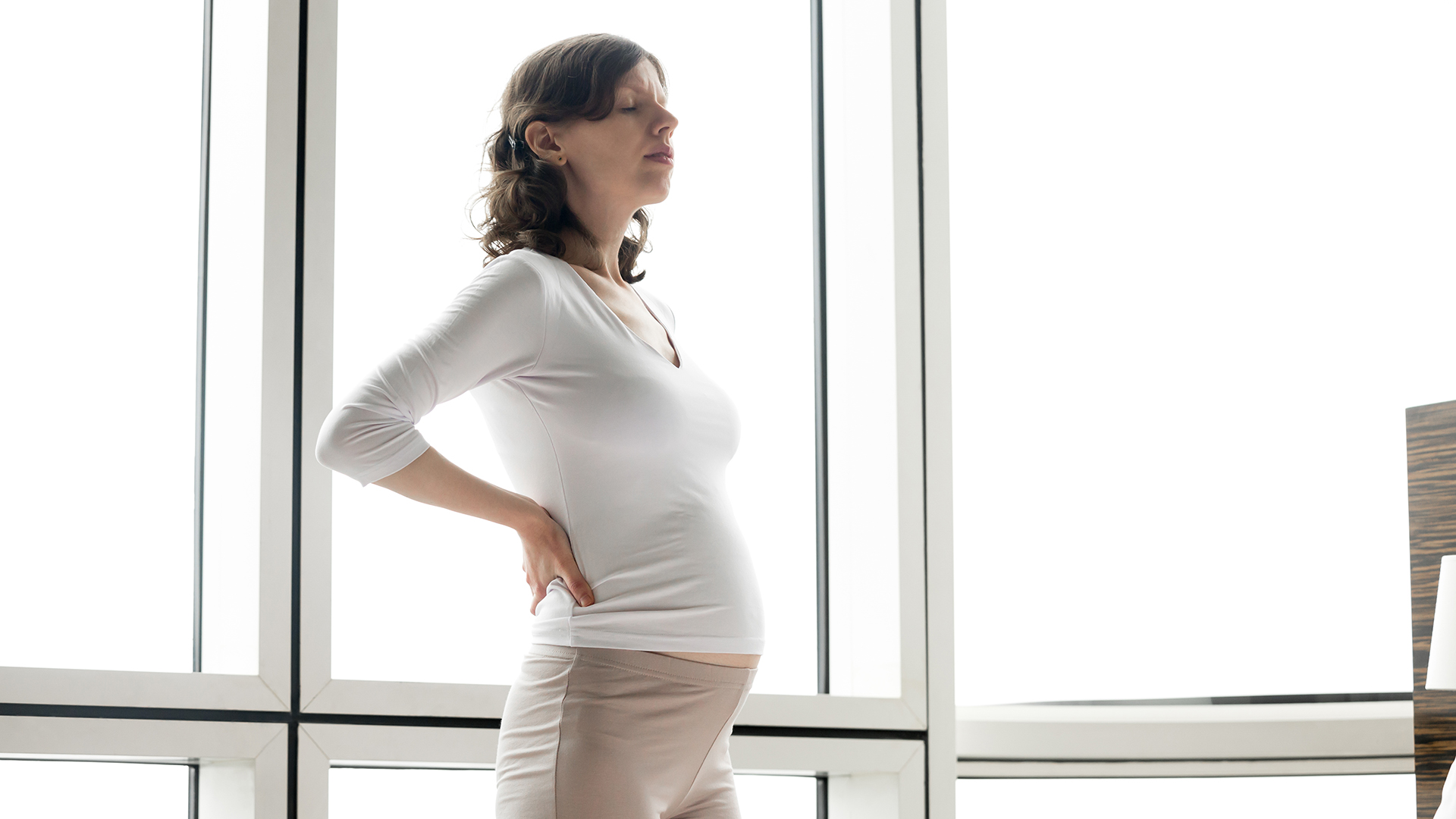
Chiropractic care for pregnancy pain is commonly sought by people experiencing new or worsening discomfort as their body adapts to pregnancy. Changes in posture, joint mobility, and load through the spine and pelvis can contribute to back pain, pelvic discomfort, and leg symptoms.
This post looks at common pregnancy-related pain patterns and how chiropractic care may support comfort and movement during pregnancy.
Part 2 of 3 in our pregnancy chiropractic series.
Previously: Is chiropractic care during pregnancy safe?
Next: Pelvic alignment and preparing the body for labour
Why pain is common during pregnancy
Pregnancy involves rapid physical changes. As the uterus grows, the body’s centre of gravity shifts forward, increasing load through the lower back and pelvis. Hormonal changes also affect joint stability by increasing ligament flexibility, particularly around the pelvis.
These factors can contribute to muscle fatigue, joint irritation, and nerve sensitivity, especially in the lower back, hips, and legs.
Lower back and pelvic pain
Lower back and pelvic pain are among the most frequently reported concerns during pregnancy. Discomfort may be felt in the low back, hips, tailbone, or across the front or back of the pelvis.
Chiropractic care may help by assessing how the spine and pelvic joints are moving and addressing areas of restricted or irritated movement. Care is adapted to pregnancy and typically focuses on gentle techniques that support joint motion and reduce unnecessary strain.
Sciatica and leg symptoms
Sciatic-type symptoms can occur when the sciatic nerve becomes irritated. This may cause sharp, aching, or tingling sensations that travel from the lower back into the hip, thigh, or leg.
During pregnancy, pressure from postural changes or muscle tension can contribute to these symptoms. Chiropractic care may help by improving joint mechanics and addressing muscle tension that places stress on the nerve. Home guidance, such as movement strategies or pregnancy-safe stretches, is often part of care.
Posture-related neck and shoulder discomfort
As posture changes, some people notice increased tension through the upper back, shoulders, and neck. This can contribute to stiffness, headaches, or general fatigue.
Chiropractic care may help by addressing spinal and postural factors that contribute to muscle overload. Small adjustments, soft tissue techniques, and posture guidance can support more balanced movement as pregnancy progresses.
Sleep discomfort and daily movement
Pain and stiffness can make sleep more difficult during pregnancy, especially as comfortable positions become harder to find. Discomfort may also affect daily activities such as walking, standing, or sitting for longer periods.
Chiropractic care often includes practical advice for daily movement and positioning, including sitting, standing, and sleeping strategies that may reduce strain and improve comfort.
Chiropractic care for pregnancy pain
Chiropractic care can be part of a broader approach to managing pregnancy-related discomfort, but it does not replace medical prenatal care. New, severe, or worsening symptoms should always be discussed with your maternity care provider.
Related CIHC reading
- Chiropractic care for chronic pain
- Chiropractic care for office workers
- Chiropractic care for injury prevention
Have questions? Get in touch with our team.